15 Traditional English Foods: What’s Actually Worth Trying

Everyone says English food is bland, beige, and kind of terrible.

And honestly… we believed that too.
But after planning a full food-focused road trip across England, we started to realize we might’ve gotten it completely wrong.
So we set out on a mission:
- Drive from south to north
- Try the most traditional foods in each region
- And figure out what’s actually worth eating
Over four days, we explored Cornwall, Devon, Somerset, and beyond — from coastal classics to historic dishes that have been around for centuries.
And it all started with one of England’s most iconic foods 👇
Culture Craving Couple contains affiliate links and is a member of the Amazon Services LLC Associates Program. If you make a purchase using one of these Amazon links, we may receive compensation at no extra cost to you. Thanks for supporting us! You can see our disclosure policy.
1. Cornish Pasty
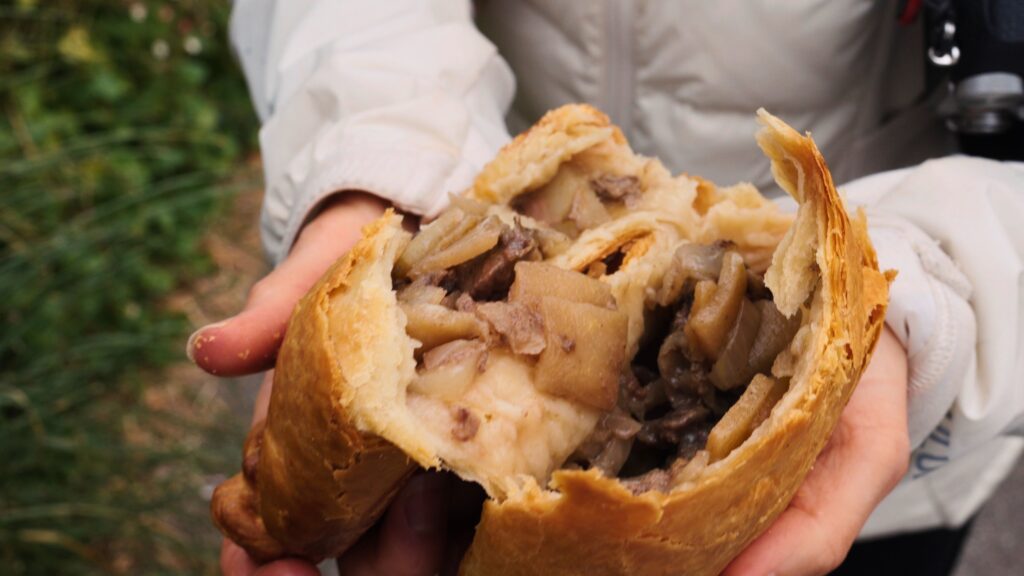
The Cornish pasty is one of the most traditional foods in England — and it’s actually protected by law, similar to Champagne.
It originated in Cornwall as a portable meal for tin miners. Everything was packed into one pastry — meat, potatoes, onions — with a thick crimped edge so miners could hold it with dirty hands and toss the crust.
(We absolutely did not throw away the crust — it’s the best part.)
Inside, it’s simple:
- Steak
- Potatoes
- Onion
- Wrapped in a thick, golden pastry
The crust was flaky and crisp, the steak was tender, and everything just worked.
Worth it?
👉 100%. This is one of the few traditional English foods that fully lives up to the hype.
2. Cream Tea
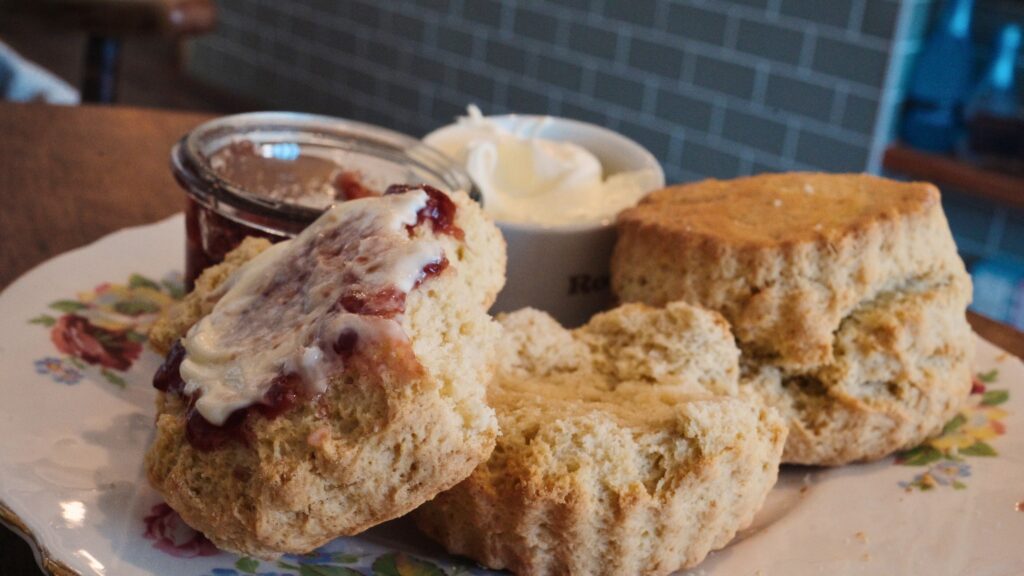
A cream tea is one of the most classic English experiences — scones, clotted cream, and jam.
But it comes with a serious debate:
👉 Jam first or cream first?
- Cornwall: jam first, then cream
- Devon: cream first, then jam
What We Thought
In Cornwall, the scones were:
- Crispy on the outside
- Buttery and soft inside
- Honestly some of the best we had
The combo of jam + cream was rich, sweet, and ridiculously good.
In Devon, we actually preferred the order (cream first just makes more sense)…
👉 but Cornwall still won on the scone itself
Worth It?
👉 100% — don’t skip this
And yes… you will leave with a strong opinion on the order 😏
3. Hevva Cake

Hevva cake is a traditional Cornish bake made to celebrate a good catch — fishermen’s wives would shout “hevva!” when boats came in, and this dense spiced cake became part of the tradition. It’s kind of like a mix between a scone and shortbread, packed with raisins and super buttery. Ours was thick, crumbly, and honestly felt like a pastry brick in the best way.
Worth it?
👉 Yes — especially if you want something truly local, but it’s definitely on the heavier side.
4. Cheddar Cheese
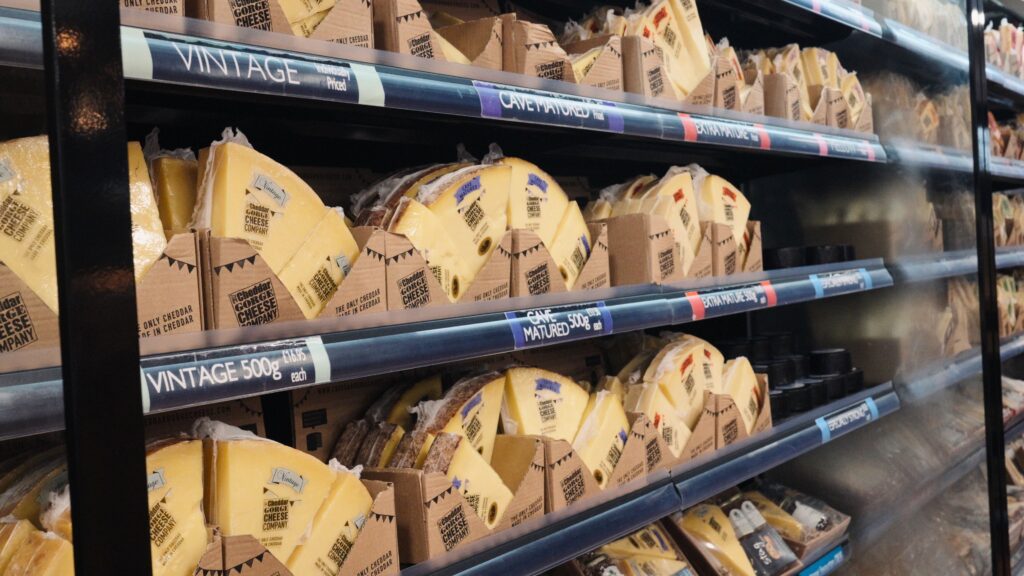
Cheddar cheese actually comes from the village of Cheddar in Somerset, where it’s been made since at least the 12th century. The caves in Cheddar Gorge create the perfect conditions for aging, which gives the cheese its signature flavor. We tried it right at the source, including a 24-month aged version that had those little crunchy crystals (like parmesan) and a much deeper, sharper taste.
Worth it? 👉 Yes — even if you think you don’t like cheddar, this is completely different from what you get at home.
5. Ploughman’s Lunch

The ploughman’s lunch is one of the most traditional pub meals in England — originally a simple packed lunch for farm workers with crusty bread, cheese, and pickled vegetables. We tried it with aged cheddar from Somerset, fresh bread, and local pickled onions (literally grown outside). It’s simple, but when everything is high quality, it just works — salty, sharp, crunchy, all in one bite.
Worth it? 👉 Yes — especially for a classic pub experience.
6. Sausage Roll

We did not expect one of the best things we ate in England to come from a roadside service station… but here we are. Sausage rolls are some of the most common traditional British foods — sausage meat wrapped in flaky pastry — but this one completely changed our expectations. It was juicy, flavorful, perfectly cooked, and honestly ruined every other sausage roll we’ve had.
Worth it? 👉 100% — and apparently, if you know, you know.
7. Full English Breakfast
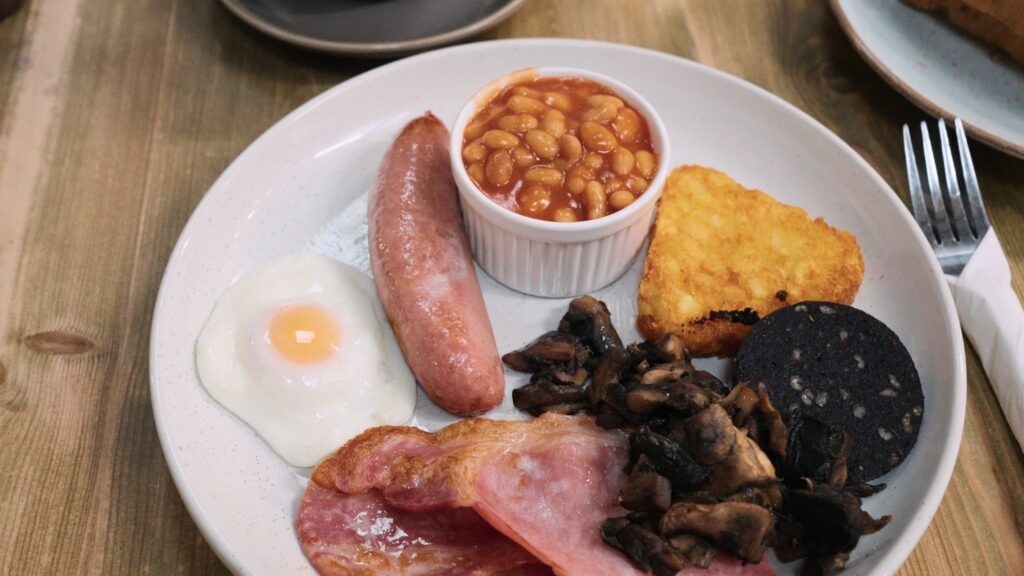
A full English breakfast is exactly what it sounds like — a massive plate meant to keep you full all day. Traditionally, it includes things like eggs, sausage, bacon, and more, and it’s been a staple for centuries. We tried one made with locally sourced ingredients, and you could actually taste the difference — everything felt fresher and more flavorful than your typical breakfast. It’s hearty, a little over-the-top, and very English.
Worth it? 👉 Yes — come hungry.
8. Bakewell Pudding
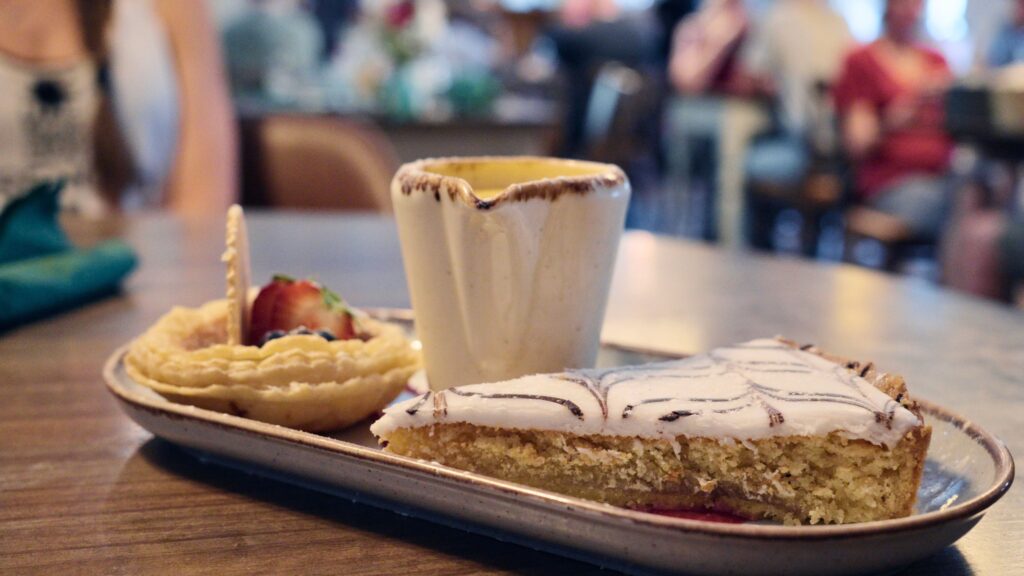
The Bakewell pudding is actually the original version of this famous English dessert, created by accident when egg custard was poured over jam and pastry. It’s warm, soft, and filled with a creamy almond flavor that’s not overly sweet. Compared to the tart, it felt more balanced and comforting — especially with the custard.
Worth it? 👉 Yes — this was our winner.
9. Bakewell Tart
The Bakewell tart is the more modern version you’ll see most often — a jam and almond filling inside a pastry shell, usually topped with icing, cherries, or almonds. Ours was topped with icing, which made it very sweet and a bit heavier than expected. Still good, but definitely more of a sugar bomb.
Worth it? 👉 Depends — great if you love sweet desserts, but we preferred the pudding.
10. Yorkshire Brack with Wensleydale Cheese

In Yorkshire, tea time isn’t complete without something sweet — and sometimes something savory too. This pairing combines Yorkshire brack, a moist teacake made with dried fruit soaked in tea, with Wensleydale cheese, a crumbly, mild local cheese. It sounds strange, but together it actually works — the light sweetness of the cake balances the savory cheese. Worth it? 👉 Surprisingly, yes — weird on paper, but a classic Yorkshire combo.
11. Smoked Kippers

Smoked kippers are a traditional northern English dish made from herring that’s been split, salted, and smoked. It’s a classic breakfast in places like Yorkshire, known for its strong, smoky, very “fishy” flavor. Some locals even pair it with bread and jam to balance the taste. It might not look the most appealing (yes, it kind of looks like a slug), but if you like bold, smoky seafood, it actually delivers.
Worth it? 👉 Yes — but only if you’re into strong fish flavors.
12. Fish and Chips

Fish and chips is one of the most iconic foods in England — and this one completely lived up to the hype. Ours was made the traditional way, fried in beef drippings, which gives it a richer flavor than typical oil. The fish was crispy on the outside, flaky and tender inside, and paired perfectly with thick-cut chips and tartar sauce. It was massive, satisfying, and easily one of the best things we ate on the trip.
Worth it? 👉 100% — a must in England.
13. Yorkshire Curd Tart
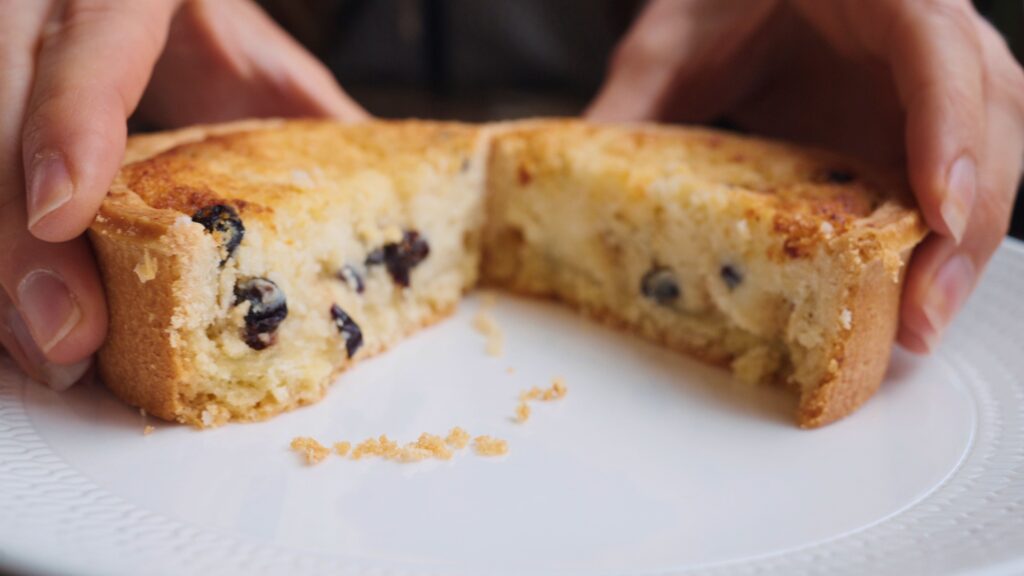
Yorkshire curd tart is a traditional dessert dating back to the 17th century, made with cheese curds, lemon, raisins, and a pastry crust. It’s light, slightly zesty, and not overly sweet — kind of like a mix between a lemon tart and a cheesecake. The crust is buttery and crisp, and the filling is smooth with a subtle tang. Worth it? 👉 Yes — a great option if you want something sweet but not too heavy.
14. Sunday Roast

A Sunday roast is one of the most iconic meals in England — and this one completely changed our minds. It’s a full plate of roast beef, potatoes, vegetables, and gravy, traditionally eaten on Sundays in pubs across the country. The beef was incredibly tender and peppery, the potatoes were crispy, and everything came together in the most comforting way possible.
Worth it? 👉 100% — this was one of the best meals of the entire trip.
15. Yorkshire Pudding
Yorkshire pudding is a classic side served with a Sunday roast, especially in the north of England. It’s made from a simple batter but baked until it’s light, airy, and crispy on the outside. It doesn’t look like much on its own, but once you add gravy, it becomes the perfect bite — soaking everything up and tying the whole dish together.
Worth it? 👉 Yes — don’t skip it with your roast.
So, Is Traditional English Food As Bad As The Say?
We went into this road trip thinking English food might be exactly what everyone says — bland, beige, and not worth going out of your way for.
We were very wrong.
From coastal seafood to hearty pub meals and regional specialties, English food is actually incredibly diverse, comforting, and rooted in tradition. It’s not about flashy presentation — it’s about simple ingredients done really well.
Some dishes surprised us more than others, but overall, this trip completely changed how we see food in England.
👉 If you’re visiting, don’t just eat in London — get out and try the regional dishes. That’s where English food really shines.
But you can’t miss the Cotswolds, home to the coziest pubs and food in England!
👉The PERFECT Cotswolds Food Itinerary